




SI, From Business to Systems.

Business needs, built into stable systems — so everyday work runs better.

PARTNERS & CLIENTS
What We Do

SI · System Integration

We bring scattered work and data together into one system.
Six steps, from gathering requirements to go-live and operation.

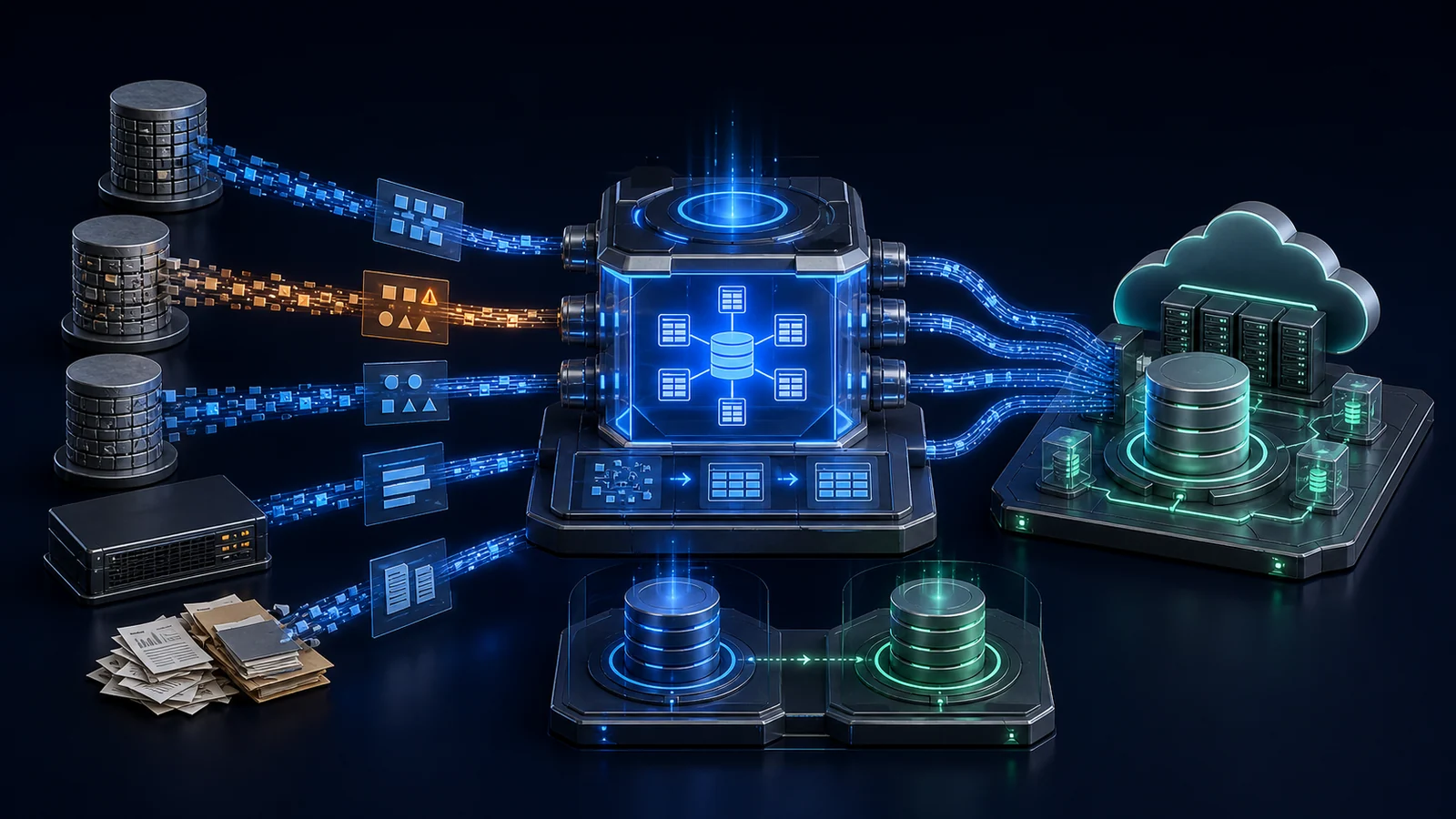
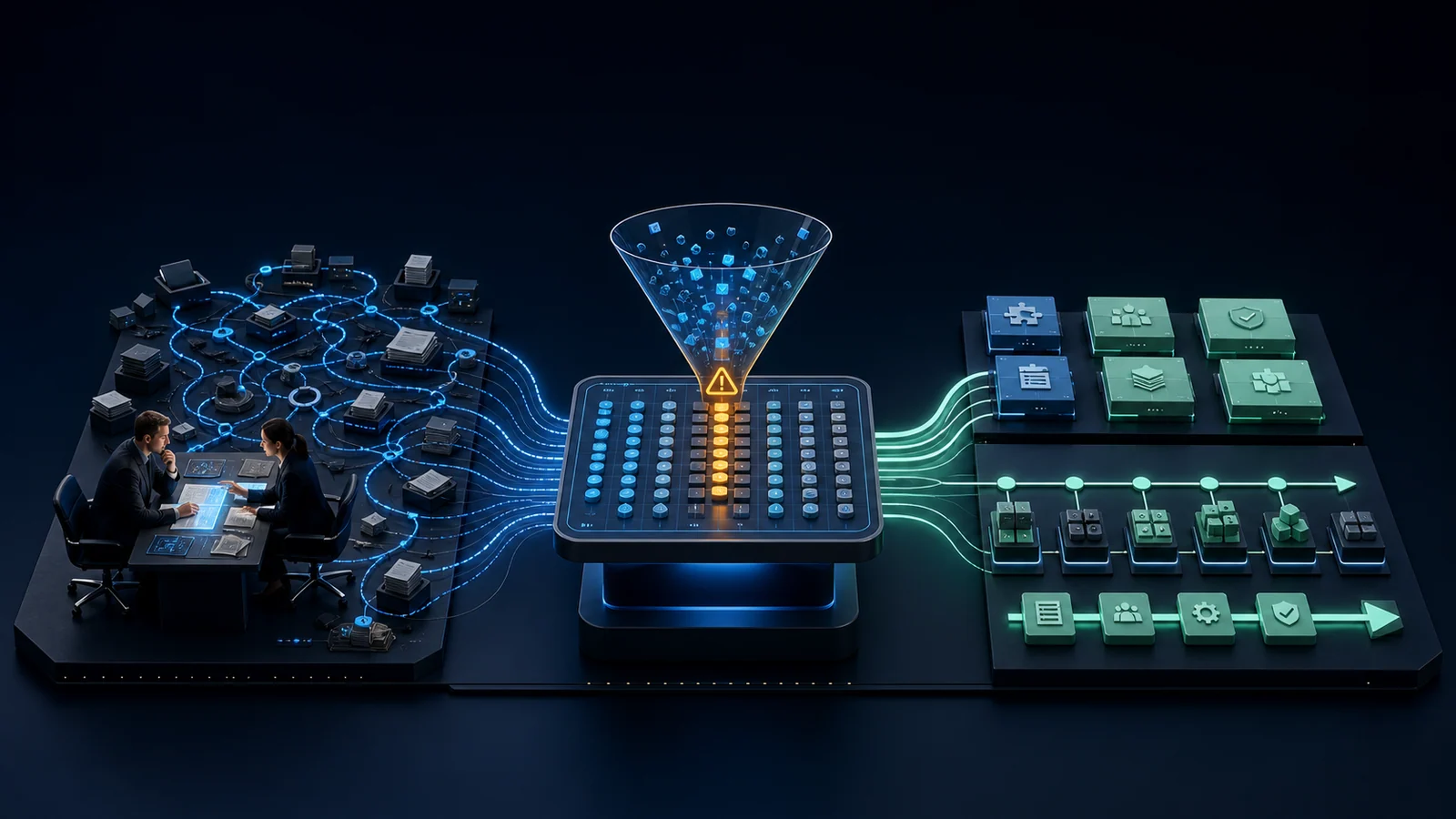
현행 업무 흐름의 병목을 분석해 요구사항과 구축 계획으로 정리하는 모습
01

Requirements · Business analysis

We start by looking at how the work actually flows and where it stalls, then write functional, performance and security requirements as things that can be measured.

  • How the work runs today Interviews with the people doing the work, documenting the flow, the bottlenecks and the exceptions
  • Requirements you can measure Functional requirements alongside non-functional ones — performance, security, availability
  • Schedule and risk Managed openly through a work breakdown and milestones
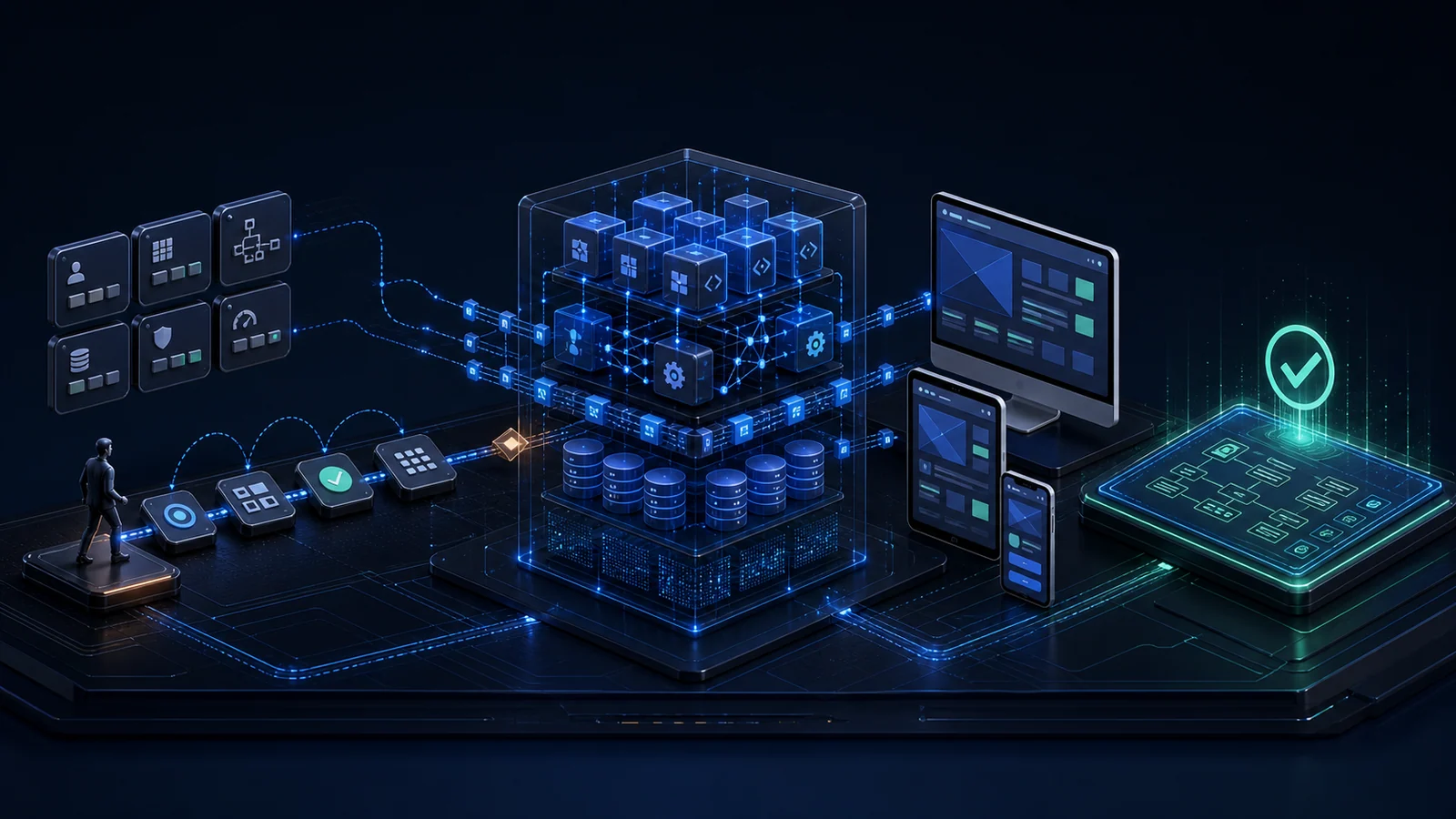
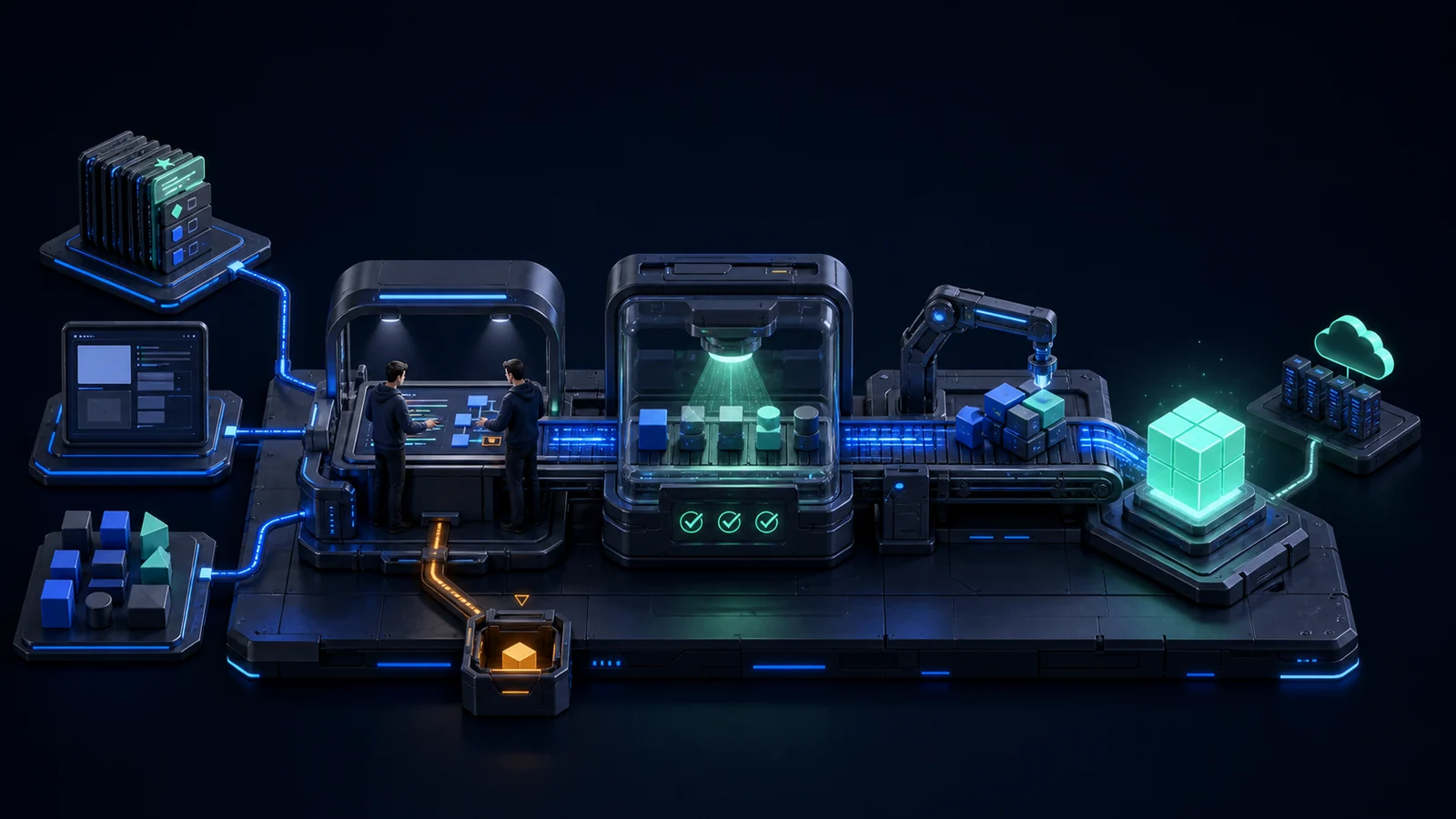
확장 가능한 시스템 아키텍처와 반응형 사용자 경험을 함께 설계한 모습
02

Architecture · UX design

We settle on a structure that scales to the expected traffic and data volume, and check the real screen flow before development starts.

  • Choosing the structure Monolith or microservices, decided by traffic and data volume
  • Checking it first Information architecture, wireframes and prototypes confirm the screen flow before any code
  • Accessibility and responsive layout Web accessibility guidelines (KWCAG) and responsive layout built in from the design stage
기존 시스템 데이터를 표준화하고 연동·백업·재해복구 구조로 설계한 모습
03

Data · System design

Data structures, APIs and the rules for migration, backup and disaster recovery are decided together, so systems stay consistent and can be brought back.

  • Data standards A standardised ERD and data dictionary, with a plan for migrating existing data
  • Fixing the interfaces How existing and external systems connect, written down as API specifications
  • Designing for availability Backup, redundancy and disaster recovery built into the architecture
코드 리뷰와 자동 테스트를 거쳐 시스템을 지속적으로 통합하는 모습
04

Development · Integration

Quality is held through code review, automated tests and CI/CD, and progress is shown each cycle as something that actually works.

  • Quality built in Coding standards, code review and static analysis applied in continuous integration
  • Automated testing Unit and integration tests catch regressions early
  • A demo each cycle Direction agreed with the business by looking at something that runs
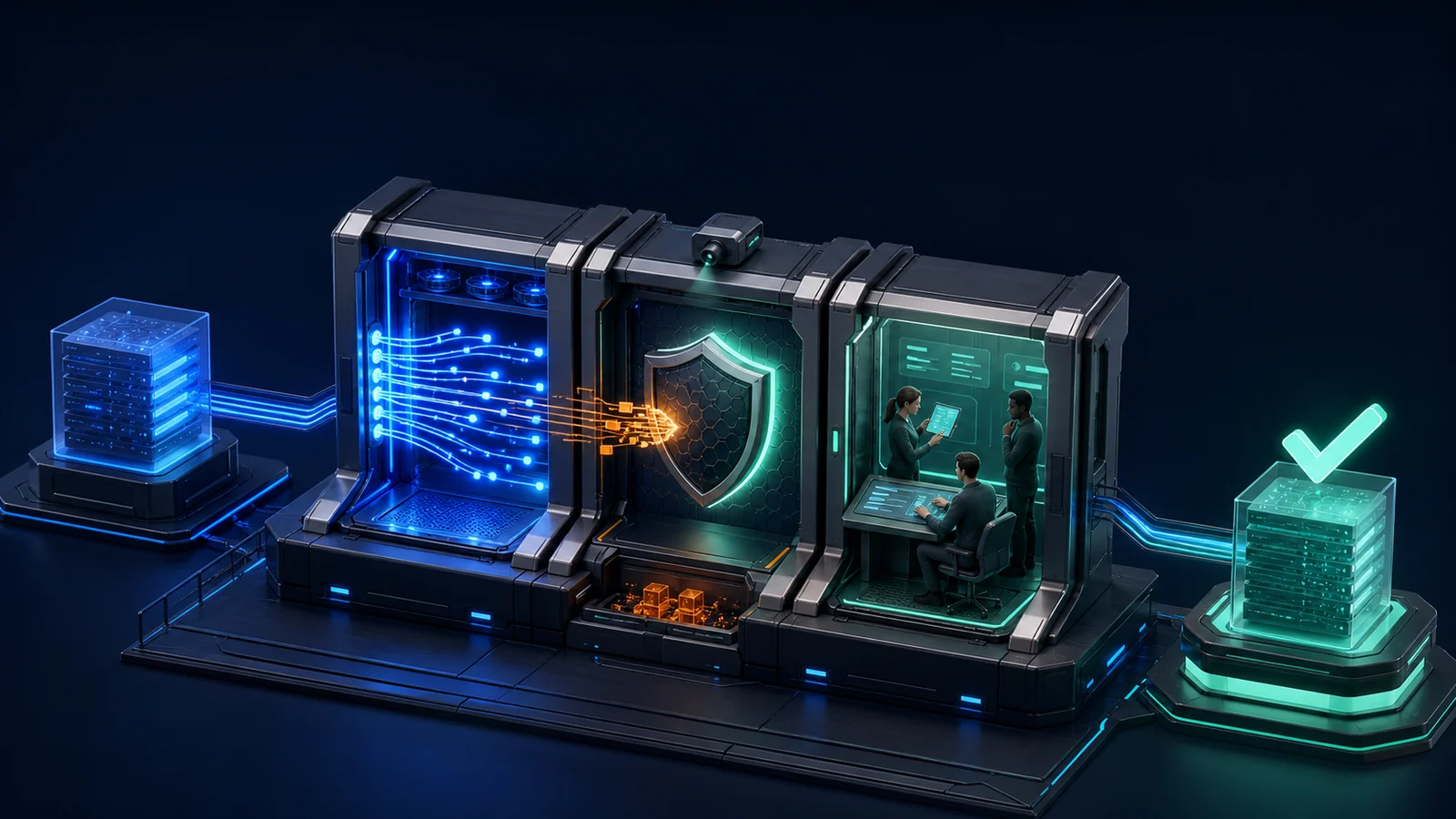
부하·보안·사용자 수용 기준으로 시스템 품질을 검증하는 모습
05

Quality · Security verification

Performance, security and user acceptance are tested against real scenarios, and the conditions for go-live are fixed.

  • Proving performance Scenario and load testing confirm response time and concurrency targets
  • Security review Vulnerabilities checked against the OWASP Top 10, and fixed
  • Go-live criteria User acceptance testing secures sign-off from the business
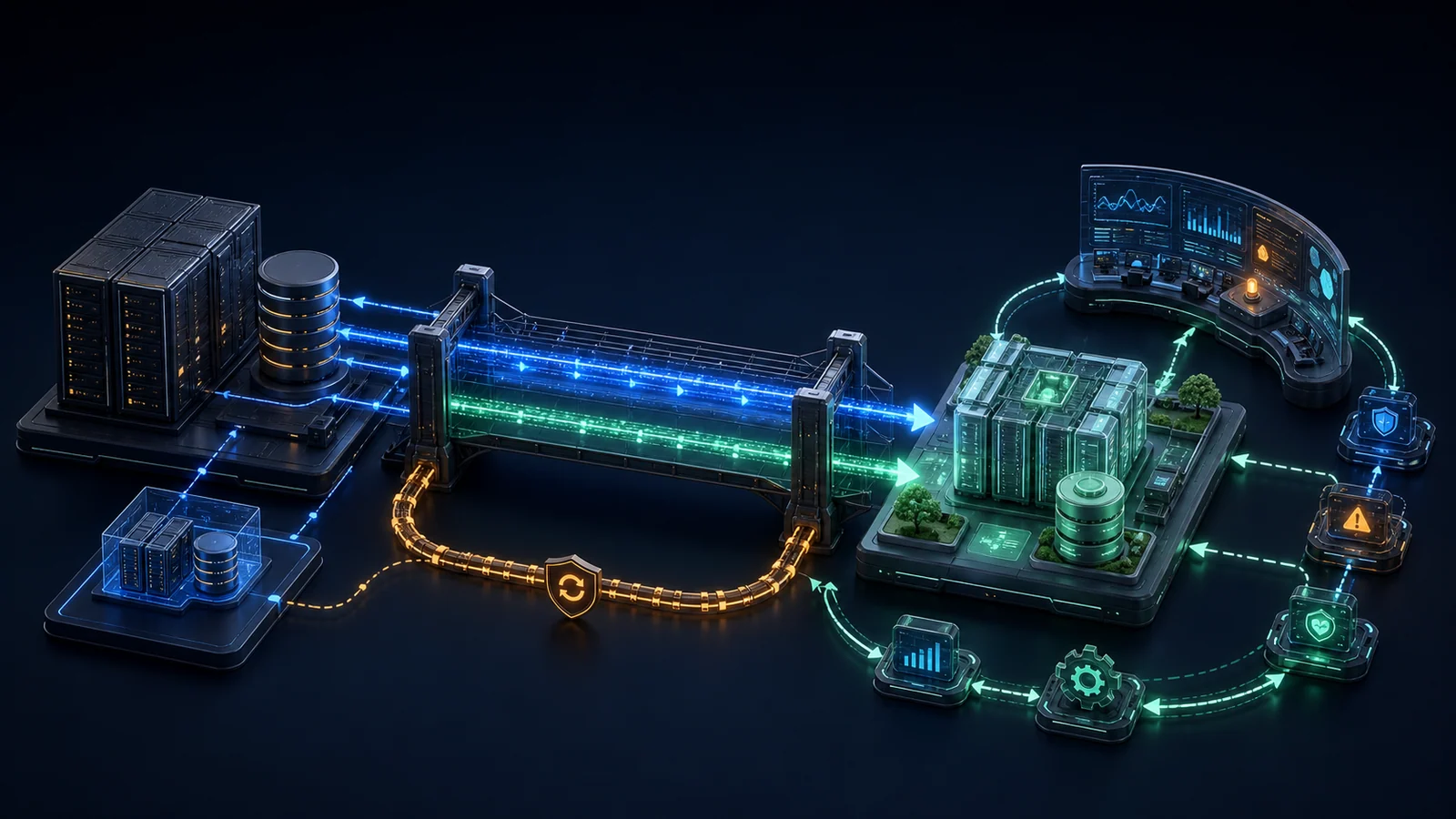
중단 위험을 낮춘 시스템 이행과 되돌리기 계획, 운영 모니터링 및 지속 개선 체계
06

Cutover · Operation · Service levels

A rehearsed cutover and a rollback plan lower the risk of go-live, while monitoring, service level targets and an improvement backlog keep operations in good shape.

  • Keeping downtime short A rehearsed data migration and a rollback plan keep the risk of downtime low
  • How it is run Monitoring and alerts, with an incident procedure tied to service level targets
  • Improving over time Operating data decides what to improve, and it is delivered in priority order
Applications

Where it applies

From finance to enterprise, public sector, energy, smart home and mobility — work and services built as systems that stay up.

Financial Services

Mobile banking, payment and group work joinedinto dependable financial services

Enterprise Systems

ERP, CRM and business data connectedinto portals and collaboration systems

Public Services

Public services and citizen work made digitalto accessibility and security standards

Energy & Charging

Integrating chargers, membership, payment, settlement and monitoringinto EV charging and energy operations platforms

Smart Home & Display

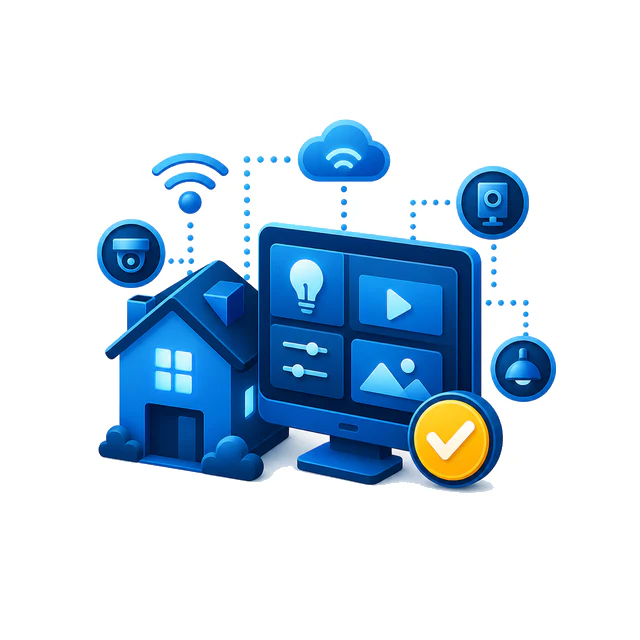
Appliances, IoT and webOS displays joinedinto smart home and enterprise services

Mobility Platforms

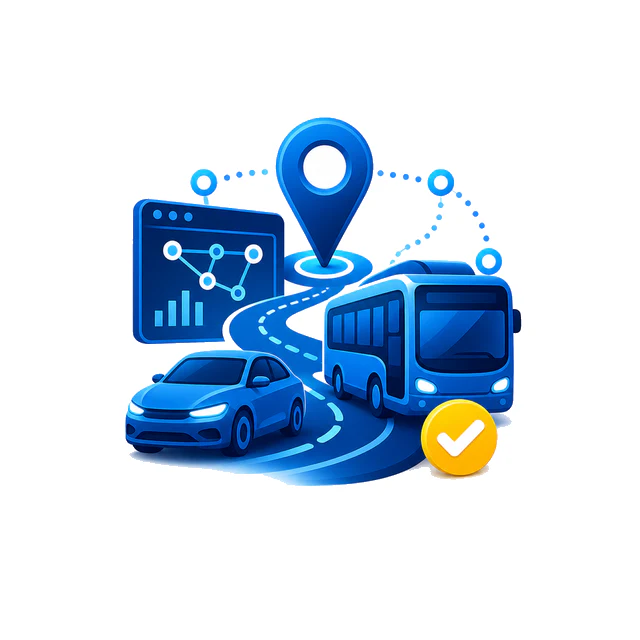
Connecting vehicle, traffic and location data with servicesto build fleet monitoring and user service platforms

BUILD CASES

Selected projects

See which systems we built for which work — and how far we ran them afterwards.

금융 시스템 개발·통합 일러스트
FINANCIAL SERVICE

Integrated financial SI · Group communication app

Building and improving the group’s banking apps and mobile services — operated and extended over several years
  • HCE prepaid card
  • Group communication app
  • Website improvement
아키텍처·UX 설계 일러스트
HOME AIoT PLATFORM

ThinQ home AIoT · webOS · enterprise cloud

Home AIoT connected services, webOS apps and enterprise cloud — designed and built
  • ThinQ app
  • webOS app
  • Pro:Centric · SuperSign
이행·운영 일러스트
ENERGY INFRA

EV charging platform

Charger integration, monitoring and billing — from planning through to delivery
  • Charger integration
  • Monitoring and billing
  • Taking EVCP to product
See all build cases